Kitchen Design Planning: 7 Decisions to Make Before You Renovate
· 3 min read · CEPA Interior Design & Solutions
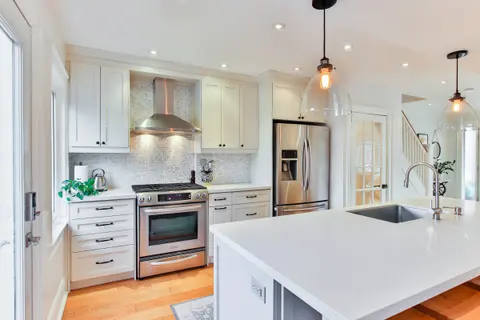
The kitchen is the heart of most homes. It is where routines, conversations, and celebrations happen, often all at once. Because it combines plumbing, appliances, cabinetry, lighting, and finishes in a single room, it is also one of the most complex spaces to design.
The most successful kitchen projects settle the key decisions before renovation begins. Here are seven we work through with every client.
1. Choose the right layout for the room
The layout determines how the kitchen works every day. The common options each suit different rooms and households:
- Galley: two parallel runs, efficient in narrow spaces.
- L-shape: open and flexible, works well with a dining area.
- U-shape: generous storage and counter space in a defined room.
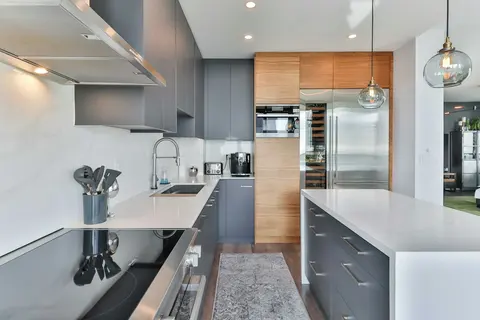
- Island layouts: add a social center, extra prep space, and seating, but need enough clearance around them to move comfortably.
The right choice depends on the size and shape of the room, where windows and doors fall, and how the kitchen connects to the rest of the home.
2. Organize work zones
Instead of thinking only in terms of the classic triangle between sink, range, and refrigerator, plan zones for each activity: storage, preparation, cooking, cleaning, and serving. Place the items you use in each zone within reach of it. If more than one person cooks at a time, make sure two people can work without crossing paths.
Also consider the people who are not cooking. Family members and guests tend to gather in the kitchen, so give them a place to sit or stand that is close to the action but outside the main work zones. An island with seating on the far side, or a small breakfast nook, keeps conversation flowing without getting in the cook’s way.
3. Plan storage in detail
Good kitchen storage is planned item by item. Think about what you own and where you reach for it: deep drawers for pots and pans, vertical dividers for trays, a pantry for dry goods, a hidden spot for small appliances. Custom cabinetry can make use of corners, tall walls, and the space above the refrigerator that standard units often waste.
4. Layer the lighting
A kitchen needs more than one ceiling fixture. Plan:
- Ambient light for overall brightness.
- Task light under wall cabinets and over the island, so work surfaces are never in your own shadow.
- Accent light inside glass cabinets or along toe kicks to add depth in the evening.
Separate, dimmable controls let the kitchen shift from a bright workspace to a relaxed gathering place.
5. Select materials for daily life
Countertops, cabinet finishes, backsplashes, and flooring set the character of the kitchen, but they also take the most wear. Balance appearance with durability, cleaning, and how much patina you are comfortable with. Bring samples together and look at them in the room’s actual light before committing.
6. Decide on appliances early
Appliance sizes, ventilation requirements, and door swings affect cabinet layouts. Choosing appliances late often forces compromises in the design. Settle the main appliances, or at least their sizes and types, before cabinet drawings are finalized.
7. Decide where your budget matters most
Every kitchen involves trade-offs. Decide early which elements matter most to you, perhaps the island, the countertop, or the range, and where simpler choices are acceptable. A clear set of priorities keeps the design focused and decisions easier.
Bringing it together
These decisions all affect one another, which is why we plan kitchens as a whole: from the first conceptual sketch to detailed 3D layouts and custom millwork drawings. Learn more about our kitchen design service, or contact us to schedule an initial design consultation.