Room-by-Room Lighting Guide: Planning Light for the Whole Home
· 3 min read · CEPA Interior Design & Solutions
Lighting is often decided last, after the layout and finishes are chosen. That is why so many rooms end up with a single ceiling fixture and a few lamps added later. When light is planned with the rest of the design, it can make a room feel larger, warmer, calmer, or more focused, and it can change the mood of the same space from morning to night.
This guide walks through the three layers of light and how we use them in each room of a home.
The three layers
Every well-lit room combines:
- Ambient light, the general illumination that lets you see and move around;
- Task light, focused light where you cook, read, work, or get ready;
- Accent light, which brings out art, textures, shelving, and built-in features such as beams, niches, and fireplaces.
Each layer works best on its own control, ideally dimmable, so the room can shift between bright and soft settings. Our glossary explains the terms in more detail.
Kitchen
The kitchen needs strong, shadow-free task light at every work surface. Under-cabinet lighting is the most effective way to light counters, because ceiling fixtures behind you cast your shadow onto the work. Pendants over an island add both task light and a focal point, and recessed or ceiling lights provide the ambient layer. A dimmable setting makes the kitchen comfortable when it becomes part of an evening gathering.
Living room
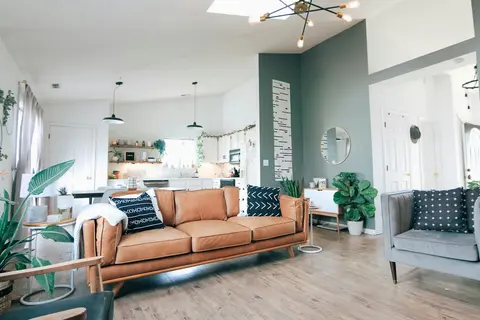
Living rooms are used for many things, so flexibility matters most. Combine soft ambient light, often from cove lighting or wall lights, with table and floor lamps near seating for reading. Accent lights on art or shelving add depth in the evening. Avoid relying on bright overhead light alone; it flattens the room and feels harsh at night.
Dining area
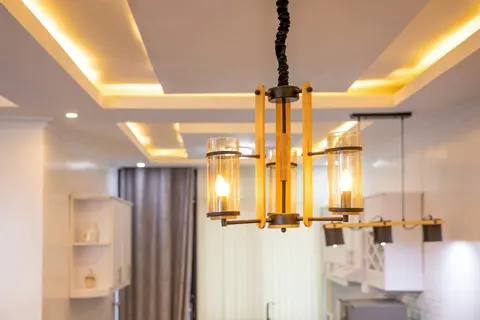
A pendant or chandelier centered over the table defines the dining zone. Hang it low enough to feel connected to the table, commonly around 30–36 in above the surface, and choose a size in proportion to the table. Our chandelier calculator gives a starting point. A dimmer is essential: dinner rarely needs full brightness.
Bedroom
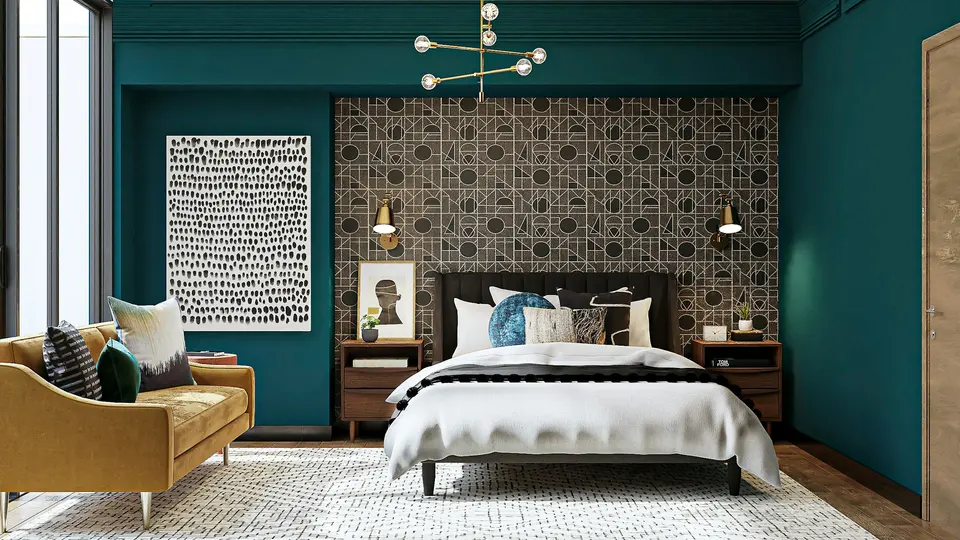
Bedrooms benefit from warm, low light. Bedside lamps or wall lights give each person their own reading light, while soft ambient light and a dim path light help at night. In closets and dressing areas, bright and accurate light makes it easier to choose clothes.
Bathroom
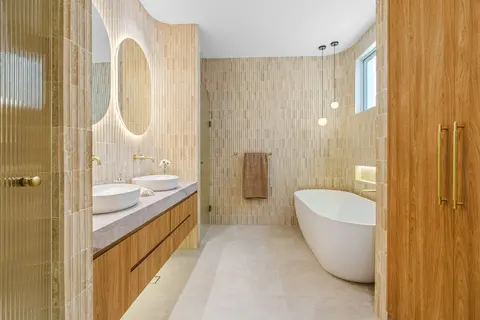
The most important bathroom light is at the mirror. Light from both sides of the mirror, at about face height, lights the face most evenly; a fixture above the mirror alone casts shadows under the eyes and chin. General light handles the rest of the room, and a soft night setting is helpful late in the evening. Fixtures in wet areas must be rated for those locations; your electrician confirms the right products.
Hallways and stairs
Circulation spaces need even, glare-free light for safety. Wall lights, step lights, or a series of ceiling fixtures guide the way. Low-level night lighting on a separate control means no one has to switch on bright lights at night.
Home office
A home office needs bright, even light on the desk without glare on the screen, plus soft front light for video calls. Our home office guide covers this in more detail.
Color temperature and consistency
Choose a consistent color temperature for each type of space, usually warm white in living areas and bedrooms and a slightly more neutral white in kitchens and work areas. Mixing very warm and very cool light in one view looks uneven.
Who installs it
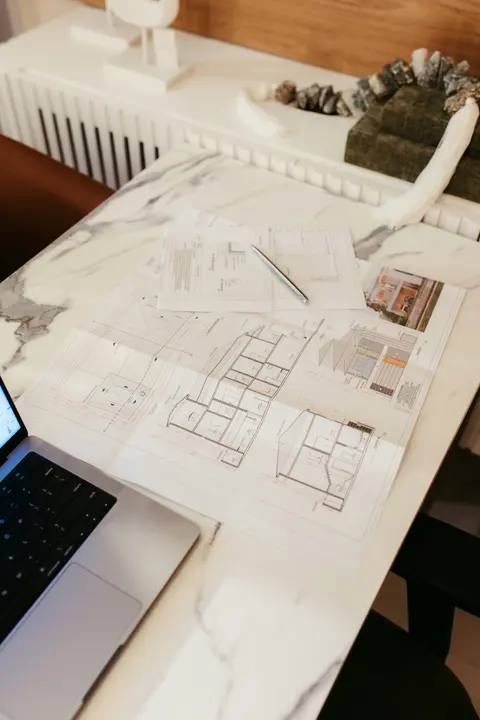
A lighting plan is a design document. It shows fixture positions, types, and control zones; a licensed electrician installs the fixtures and wiring.
Next steps
Explore our lighting design service and decorative lighting plans, or describe your project in the project planner.